
Spotting Risks and Scam Red Flags at Non-GamStop Casinos
 Available in GB
Most pages that promise to tell you whether non-GamStop casinos are “safe” end up reassuring you. This one will not. The honest picture has two layers: the structural risks that exist at every offshore site by design, and the active scam patterns that prey on players who do not know what to watch for. Understanding both is the difference between a calculated risk and a blind one.
The full picture is in our guide to casinos not on GamStop.
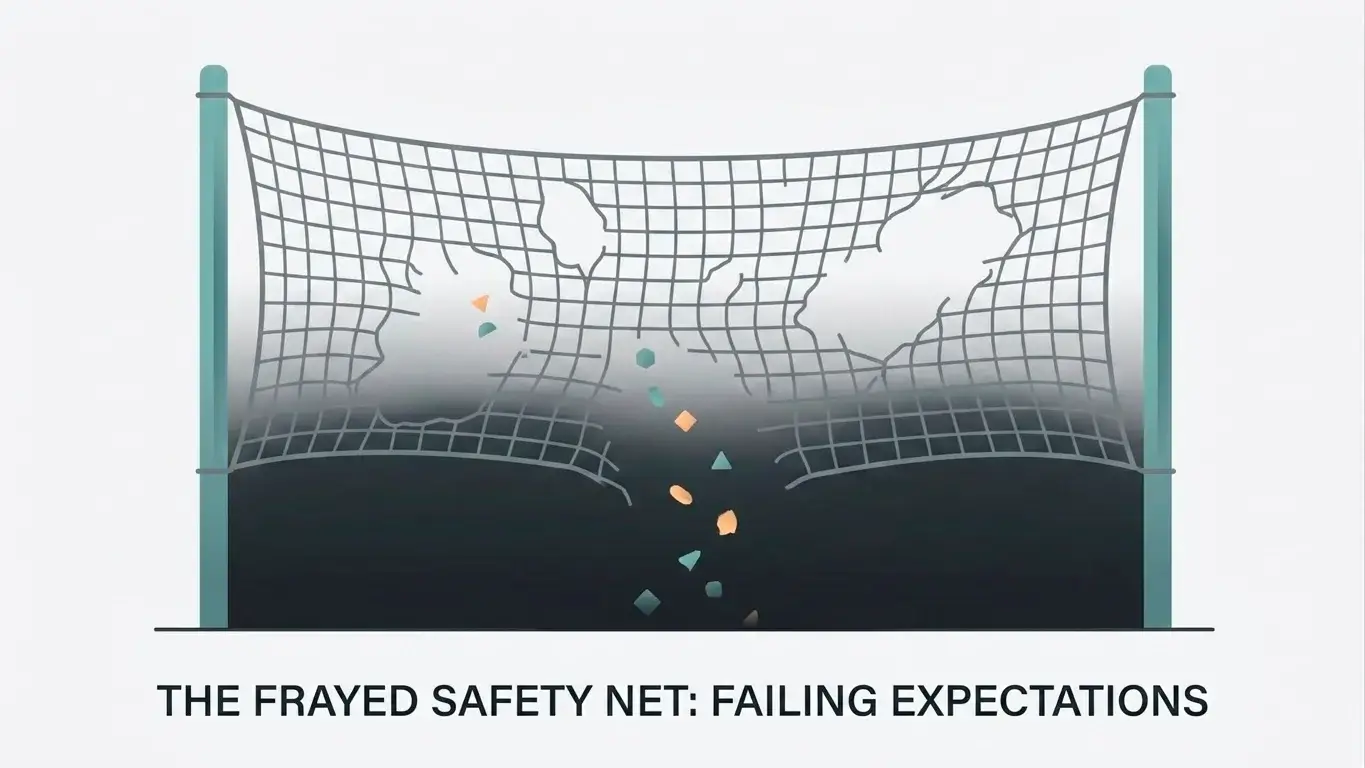
The risks built into the structure
Some risks are not the result of a bad actor; they are simply what you get when you step outside UK regulation. They apply even to a perfectly honest offshore operator, because the protections that would normally back you up are absent.
- No UKGC oversight, no IBAS escalation. If a dispute goes wrong, there is no Gambling Commission to complain to and no Independent Betting Adjudication Service to escalate to. Your only route is whatever the licensing jurisdiction provides.
- Slower, weaker dispute resolution. Disputes are resolved through the licensing jurisdiction’s alternative dispute resolution, which is generally slower and less player-friendly than the UK system. How much recourse you actually have depends heavily on the licence, as set out in our breakdown of which licence offers what protection.
- No guaranteed fund segregation. Outside stricter regimes such as Malta, your balance may not be ring-fenced from the operator’s own money. If the company hits trouble, your funds can go with it.
- No mandatory player-protection tools. There are no required stake limits, no affordability checks and no mandatory deposit limits. All the discipline rests on you, with nothing in the system to catch you.
None of this is hidden malice. It is the baseline trade-off of going offshore, and it is worth sitting with before you weigh any individual site.
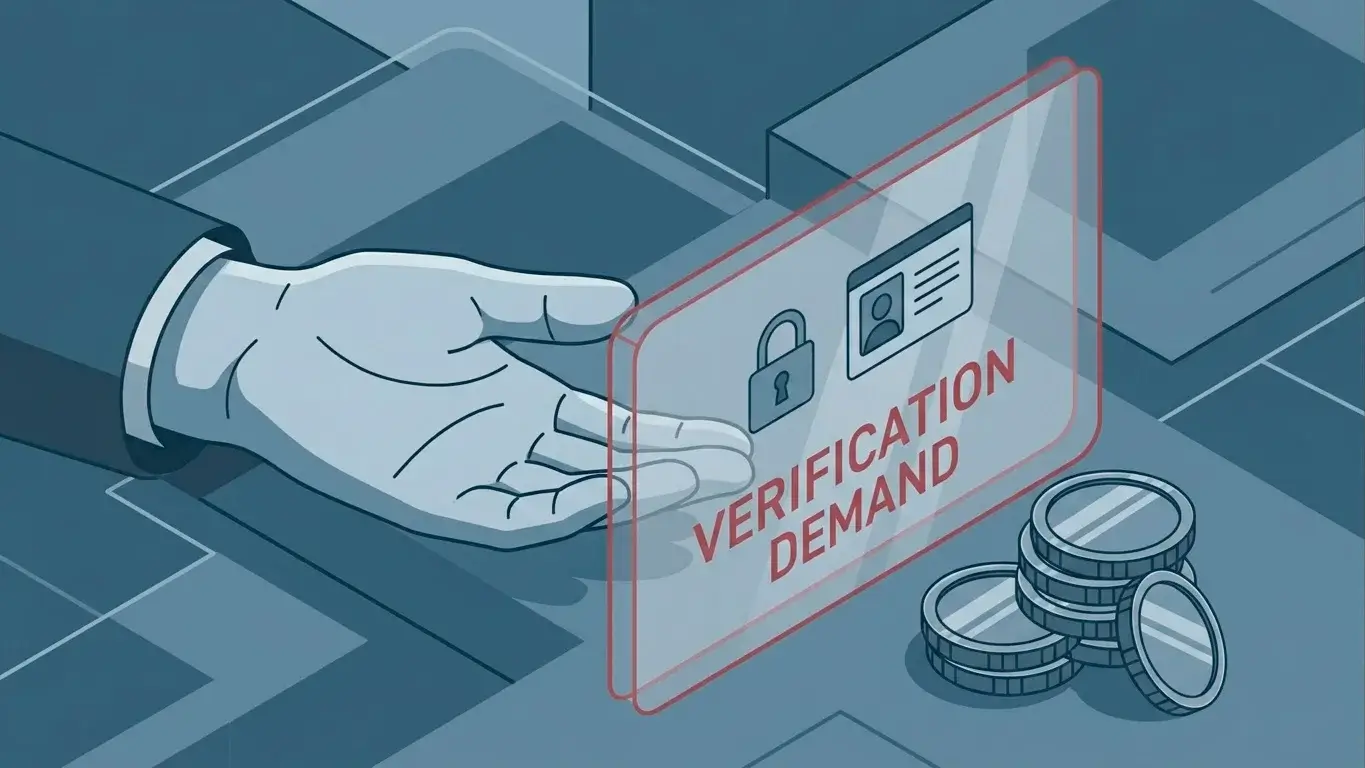
The withdrawal trap
This is the single most common active scam pattern, and it works precisely because it inverts the site’s own selling point. A casino markets itself as relaxed and “no-KYC” to make depositing frictionless. You play, you win, and then at the cashout stage the site suddenly demands extensive identity documents to “unlock” the withdrawal, often citing security. The verification never quite completes, the goalposts move, and the money never arrives.
The deposit was easy by design; the withdrawal is hard by design. Loose verification on the way in and aggressive verification on the way out is not a contradiction, it is the mechanism. We explain how this interacts with banking in how payments can stall.
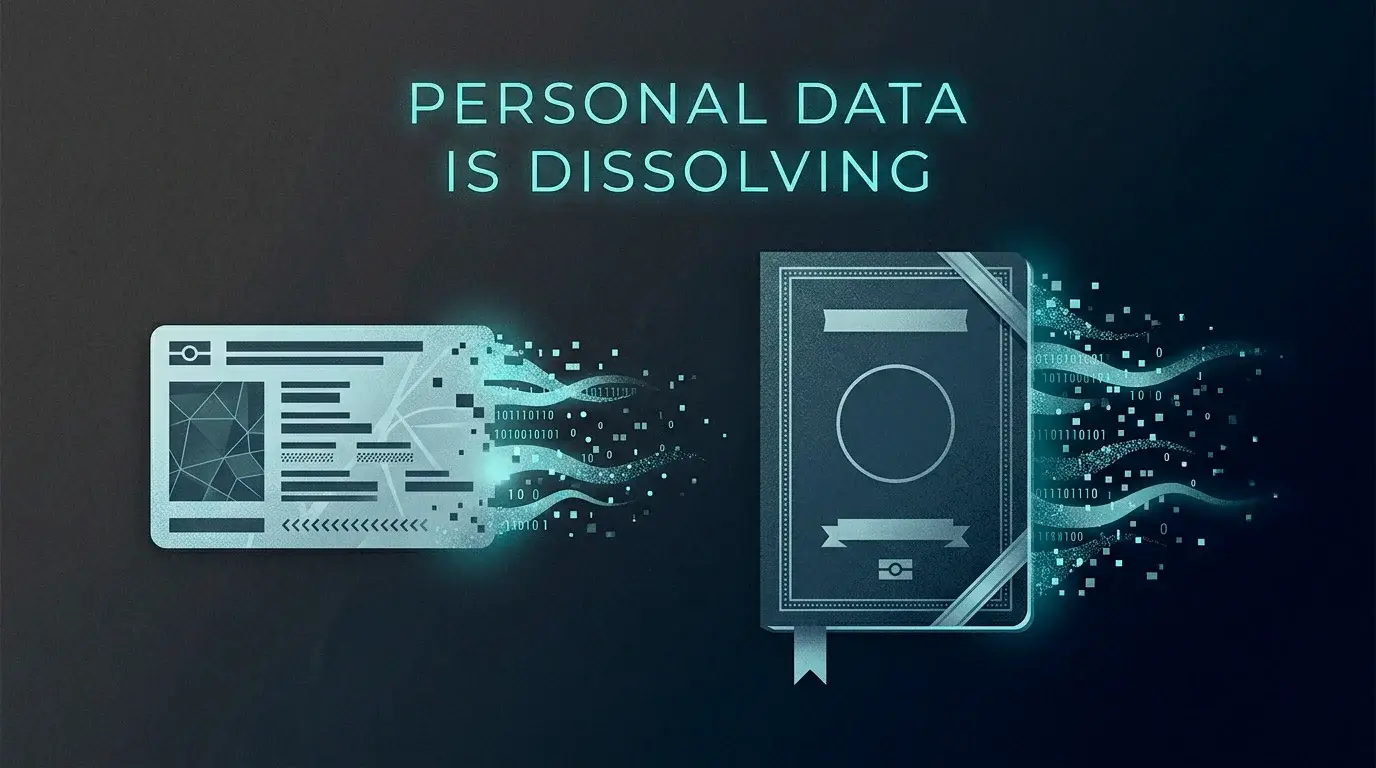
KYC data theft and where your documents go
There is a darker variant of the verification problem. When an unregulated site collects your identity documents, passport scans, selfies, proof of address, you have no guarantee those files are stored securely or ever deleted. Documented breaches in 2025 have shown gambling-related identity data being exposed and traded on darknet markets, which turns a routine verification step into a lasting identity-theft exposure.
The painful irony is that the “no-KYC” sites that attract privacy-conscious players are often the least equipped to protect the data they eventually do demand. Handing a passport scan to an operator with a hidden owner and no real regulator is a meaningful risk in its own right, separate from whether you ever get paid.
Rigged games, fake fairness and exit scams
Beyond payments and data, a few patterns target the game and the operator’s solvency directly.
- Manipulated or fake “provably fair” games
- Some sites advertise “provably fair” random number generation while running games whose outcomes are not actually independently verifiable. Without a credible regulator auditing the RNG, the claim is just marketing.
- Exit scams and liquidity freezes
- An operator quietly running low on funds may freeze withdrawals, blame vague “security concerns” or “ongoing checks”, and then disappear, taking player balances with it. With no fund segregation, there is nothing to claw back.
- Cloned sites and fake apps
- Scammers clone the branding of a known site or publish fake gambling apps, including impersonations that surfaced on app stores in early 2025, to harvest deposits and credentials from people who think they are using the real thing.
The common thread is the absence of an auditor. In the regulated market a real regulator tests games and supervises solvency; offshore, you are usually taking the operator’s word for it.
A telling payments contrast
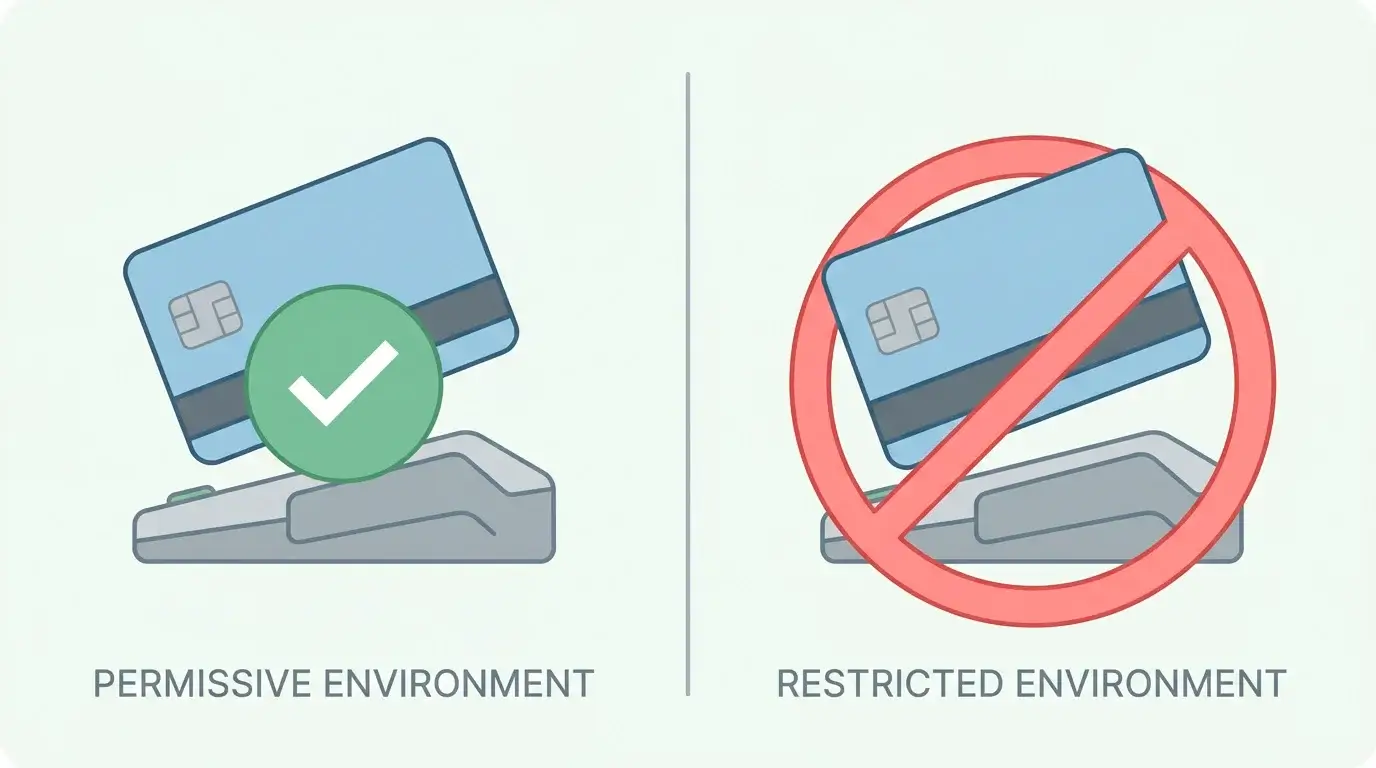
One detail quietly signals how far offshore sites sit from UK consumer norms. In the regulated UK market, depositing by credit card has been banned since 14 April 2020 under the Gambling Commission’s licence conditions, a deliberate protection to stop people gambling with borrowed money. Many offshore sites happily accept credit cards anyway.
That extra “flexibility” is not a perk; it is a risk marker. It tells you the site operates outside the consumer-protection logic that shaped the UK rules, and that the very safeguards designed to limit harm simply do not apply. You can confirm the UK position directly with the Gambling Commission, and find support resources at GamCare.
A concrete red-flags checklist
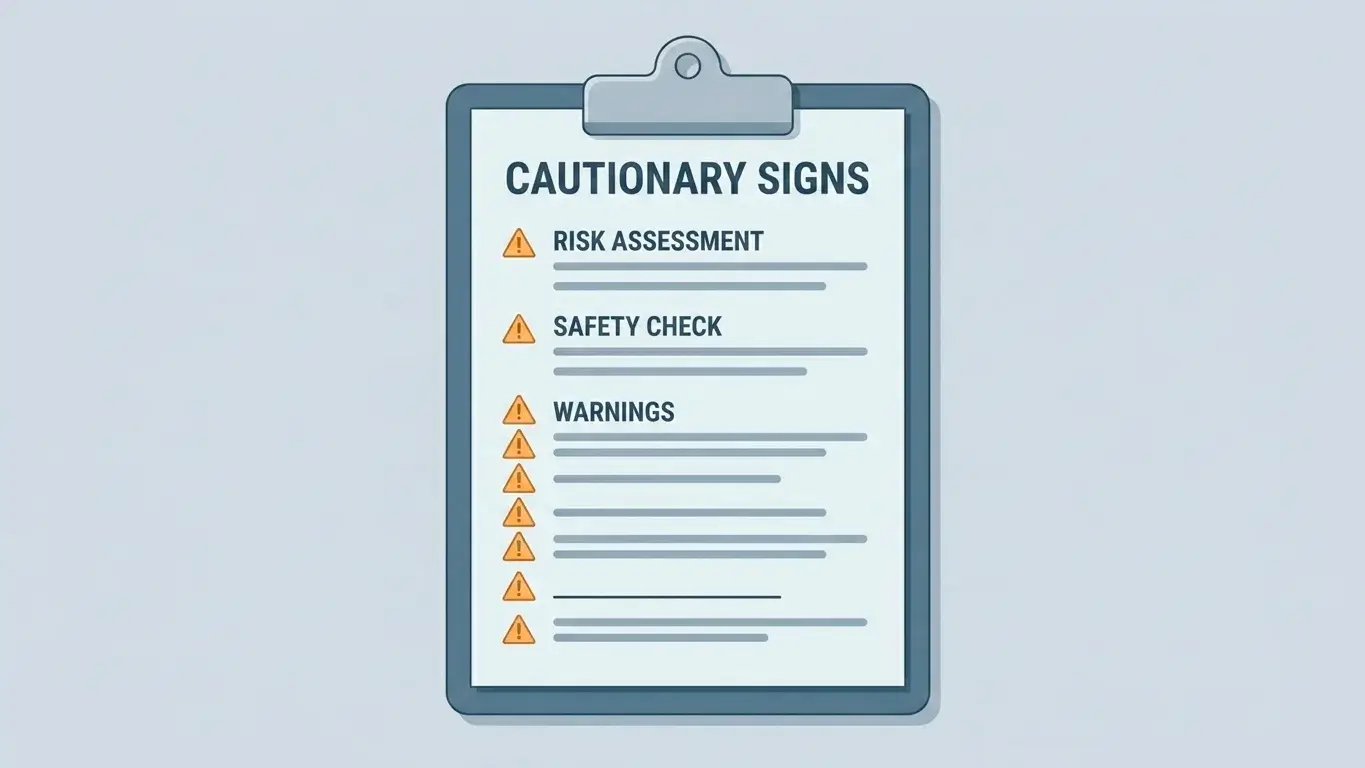
If you are assessing a specific site, run it through these. Any one of them warrants caution; several together is a clear signal to walk away.
- No verifiable licence badge, or a badge that does not appear in the regulator’s public register.
- A hidden or undisclosed owner, with no real company name or registered address.
- Fully no-KYC even on large sums, which usually means heavy KYC will appear at withdrawal instead.
- A pattern of withdrawal-delay complaints in independent player communities.
- Bonuses that look far too generous, paired with opaque wagering terms.
- Pressure tactics, shifting verification requirements, or vague “security” reasons for holding funds.
This checklist pairs naturally with verifying the licence itself, covered in our guide to licensing jurisdictions compared. If you find yourself rationalising several red flags at once, that is usually the moment to stop.
Weighing it honestly
Non-GamStop casinos are not all scams, but the structure removes the safety net and the environment attracts operators who exploit that. The realistic position is that you carry risks here that the regulated market is specifically designed to absorb for you. If you are reaching these sites despite a self-exclusion, the risk picture is not the only thing worth weighing; please look at support and removal as well, because that signal matters more than any individual site’s red flags.
Who is meant to be supervising: the licensing jurisdictions.
This material was created by the Unlicensed Casino Zone team.
Related posts

Curaçao, Anjouan and Malta Licences Compared for UK Players

How GamStop Removal Works After Your Term and Where to Get Help