
Do You Pay Tax on Winnings From a Non-GamStop Casino?
 Available in GB
Here is the answer most people are looking for, up front: gambling winnings are tax-free for UK players, and that is true whether the casino holds a UK licence or sits offshore beyond GamStop. There is no income tax, no capital gains tax and no threshold on a straight gambling win. The catch is not the tax bill. The catch is everything that surrounds getting an offshore win into your bank account, and that is where this page spends most of its time.
The full picture is in our guide to casinos not on GamStop.
Why your winnings are not taxed
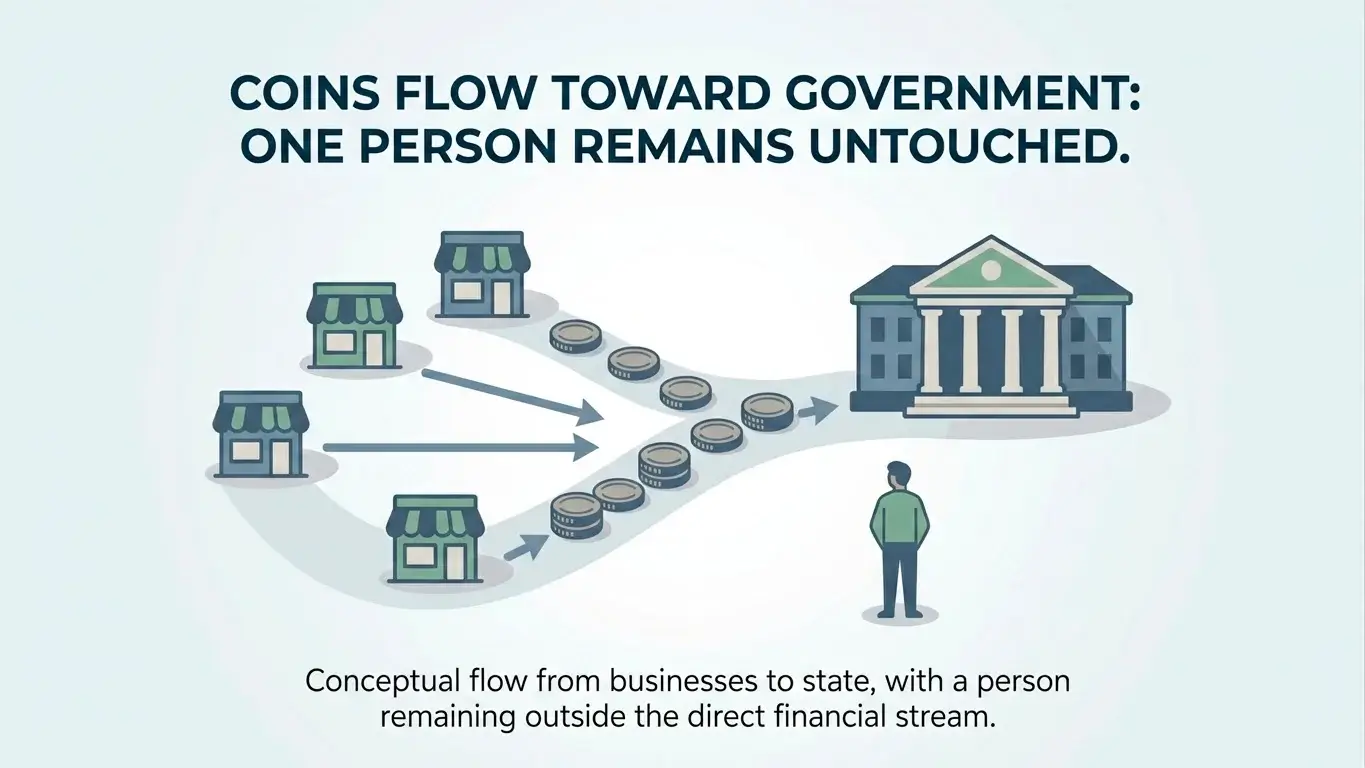
The UK does not tax the gambler; it taxes the operator. Player betting duty was abolished in 2001, when the then Chancellor shifted the burden onto bookmakers and casinos through a tax on their gross profits. Since then, a win is simply not treated as taxable income for the person who placed the bet, no matter the size of it.
That model is why the numbers you see in the news, such as the Remote Gaming Duty rising from 21% to 40% from 1 April 2026, land on operators rather than on you. Those duties are charged on the operator’s gross gaming yield. As a player you might feel them indirectly through tighter bonuses or adjusted return-to-player figures, but never as a line on a tax return. The principle is set out in HMRC’s published guidance, which you can read via HM Revenue and Customs, and the wider duty framework is documented on GOV.UK.
Does it change if the casino is offshore?
No. The tax-free treatment is about the player’s status under UK tax law, not about where the casino is licensed. A win at a Curaçao or Malta-licensed site reaches a UK player just as tax-free as a win at a UKGC operator, because the question is fiscal, not regulatory. The UK simply does not levy a tax on individuals’ gambling proceeds.
This often surprises people, because so much else about offshore play is worse than the regulated alternative. Tax happens to be the one area where the offshore and onshore positions are identical for the player. That is also exactly why it gets misused in marketing, which brings us to the caveat that the promotional sites tend to skip. For the legal backdrop to all of this, see whether it is legal to play at these sites in the first place.

Tax-free does not mean protected
This is the part that matters most and gets buried everywhere else. “Your winnings are tax-free” is frequently sold as a clean advantage of going offshore, as if it were a perk the regulated market denies you. It is not a perk; it is the same rule that applies onshore, and it says nothing about whether you will ever see the money.
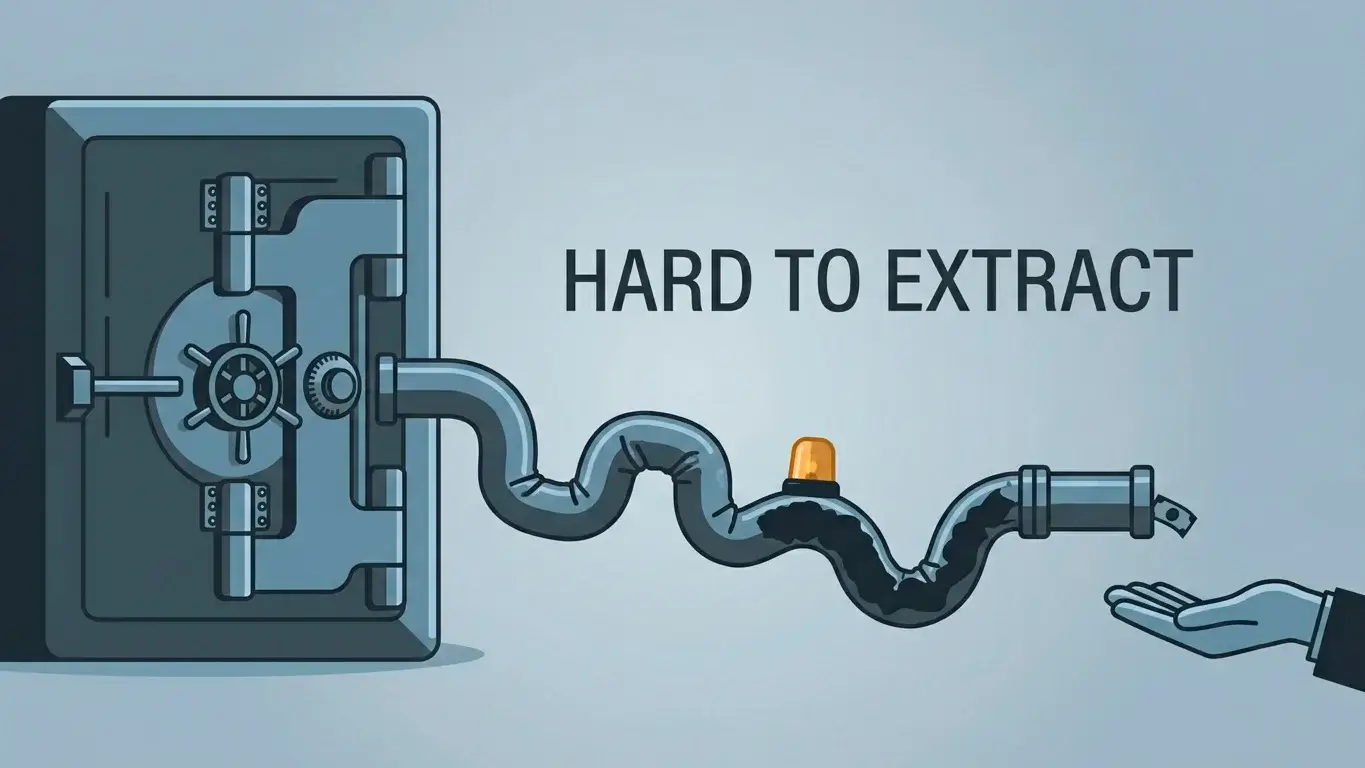
The genuine risk with an offshore win is extraction, not taxation. Consider what actually stands between you and the cash:
- Bank friction. UK banks may decline transfers to and from offshore gambling merchants, so a withdrawal can stall before it reaches you. We unpack the mechanics in how withdrawals work.
- No UKGC protection. If the site refuses to pay, you have no Gambling Commission to escalate to and no guaranteed dispute route.
- No fund segregation. Outside a few stricter jurisdictions, your balance may not be ring-fenced from the operator’s own money, so a liquidity problem can become your problem.
So the tax answer is reassuring and the protection answer is not. Treat the tax-free headline as true but incomplete; the real question is whether you can get paid, and that depends on plumbing the tax rules never touch.
The crypto edge case worth knowing
There is one situation where a tax can appear later, and it catches people out. The win itself is still tax-free, but what you do with it afterwards can have consequences. If you take winnings in cryptocurrency, or convert cash winnings into crypto, and then hold that crypto while it rises in value, the gain on the asset can fall under Capital Gains Tax like any other appreciating asset.
The distinction is subtle but important. The gambling proceeds are not taxed. The investment gain on an asset you chose to hold afterwards can be. In other words, the moment you stop treating the money as winnings and start treating it as a held asset, ordinary tax rules for that asset apply.
A quick worked example
Say you win the equivalent of GBP 5,000 paid out in a cryptocurrency. That GBP 5,000 is tax-free as a gambling win. If you hold the crypto and it later grows to GBP 8,000 before you sell, the GBP 3,000 of growth is a capital gain on an asset, not a gambling win, and may be reportable depending on your overall position and allowances. If you had simply cashed out the GBP 5,000 at the time, none of this would arise.

The practical bottom line
Gambling winnings are tax-free for UK players regardless of whether the casino is licensed here or offshore, with no income tax, no capital gains tax on the win and no threshold. The honest qualifier is that being untaxed is not the same as being safe: the offshore risk lives in extraction, dispute resolution and the absence of UK protection, not in HMRC. And if you convert and hold your winnings as crypto, keep the capital gains rules in mind for the asset itself. For the full context of how all this fits together, our casinos not on GamStop explained guide is the place to start.
Tax-free is not the same as protected: the risks.
As with every tax point, rules and figures shift, so confirm the current position with HMRC before acting on a large sum.

This material was created by the Unlicensed Casino Zone team.
Related posts

Spotting Risks and Scam Red Flags at Non-GamStop Casinos

Curaçao, Anjouan and Malta Licences Compared for UK Players