
Curaçao, Anjouan and Malta Licences Compared for UK Players
 Available in GB
When a casino not on GamStop says it is licensed, the obvious next question is: licensed by whom, and what does that licence actually buy you as a player? The promotional sites treat every offshore badge as if it means the same thing. It does not. A Malta licence and a Curaçao licence are worlds apart on player protection, and an Anjouan licence is something different again. This page sets out the real differences, and how to check a licence yourself rather than trusting a logo.
The full picture is in our guide to casinos not on GamStop.
Why the jurisdiction is the whole story
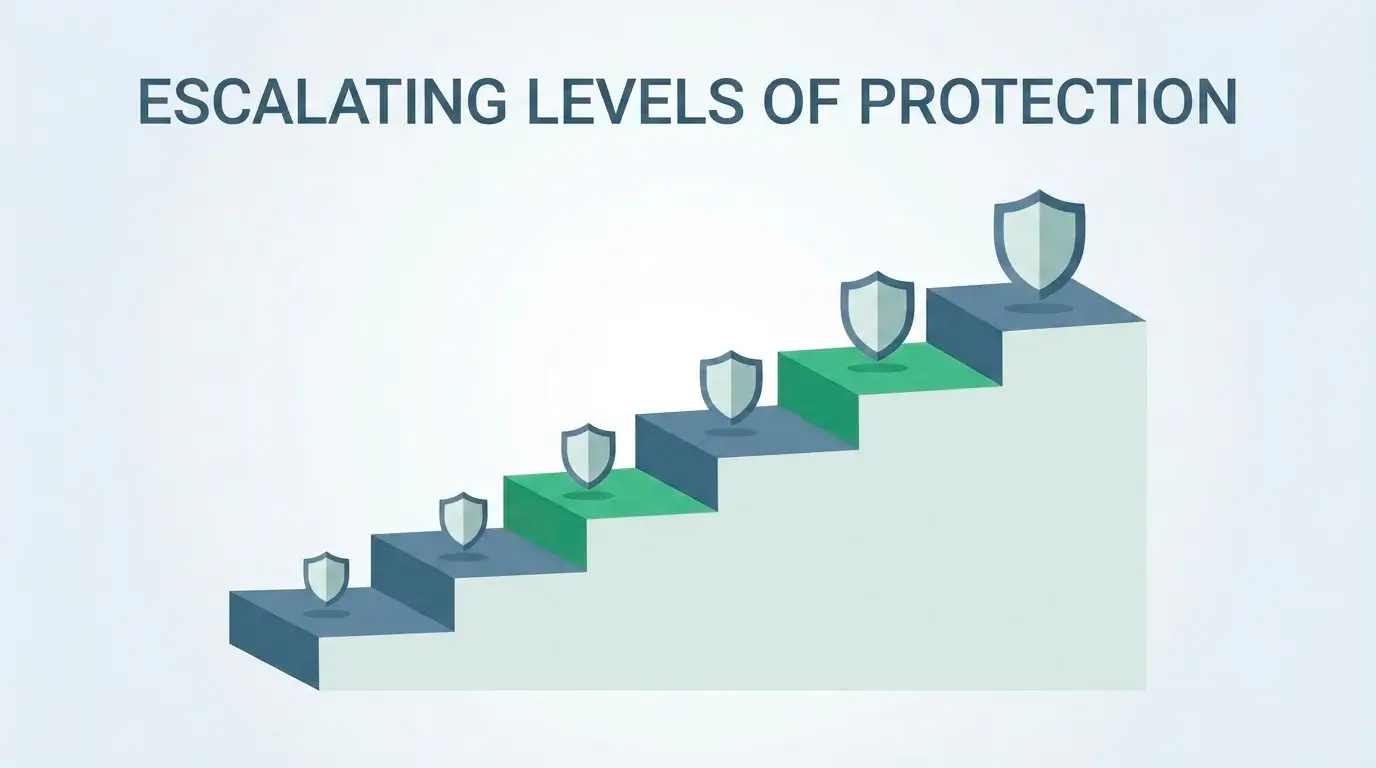
A gambling licence is only as meaningful as the regulator behind it. Two casinos can both display a licence badge while offering completely different levels of recourse if something goes wrong. The licence determines whether your funds are protected, whether there is a real complaints process, whether the games are independently tested, and whether the regulator will actually act on a dispute.
None of the offshore options equals the protection a UK Gambling Commission licence provides, which is the baseline this whole site contrasts against. You can read how that contrast plays out legally in the legal status of offshore play. What follows is a ranking of offshore regimes by how much they actually protect the player, from the strictest to the weakest.
Curaçao: common, recently reformed, still mid-tier
Curaçao is the licence you will encounter most often at non-GamStop casinos, and it has just been through a significant overhaul. In December 2024 the island brought in the new Landsverordening op de Kansspelen, the National Ordinance on Games of Chance, usually shortened to the LOK. The law took effect on 24 December 2024 and replaced the old master-and-sub-licence system, under which a handful of master licence holders issued sub-licences, with direct business-to-consumer licences issued by a single authority.
Under the reform, the regulator, the Curaçao Gaming Control Board operating as the Curaçao Gaming Authority, now issues licences directly and requires mandatory alternative dispute resolution and anti-money-laundering compliance. The annual B2C licence fee sits at roughly EUR 47,000. A transitional period has run for operators moving from the old system to the new one, so you may still encounter sites mid-migration.
The reform genuinely raises the floor compared with the old free-for-all, but Curaçao remains a mid-tier option. It is more accountable than it was, yet still far short of UK-style oversight, and enforcement of the new rules is young. If a site only holds Curaçao, treat it as a starting point for your own checks, not a guarantee.

Anjouan: the cheap, fast, unproven route
Anjouan, part of the Union of the Comoros, issues licences through the Anjouan Gaming Authority. It has become popular precisely because it is the cheaper, faster alternative to Curaçao, which makes it the licence of choice for many crypto-focused and no-KYC casinos. That convenience comes with a clear trade-off.
The Anjouan regime has a short track record and largely unproven enforcement. There is little public evidence of how it handles player disputes at scale, and the speed and low cost that attract operators are the same features that should make a player cautious. A licence that is easy and cheap to obtain is, by definition, a weaker filter on who gets one. If you see an Anjouan licence alongside aggressive bonuses and a fully no-KYC pitch, read our guide to how to spot unsafe operators before depositing.
Malta: the strictest non-UKGC option
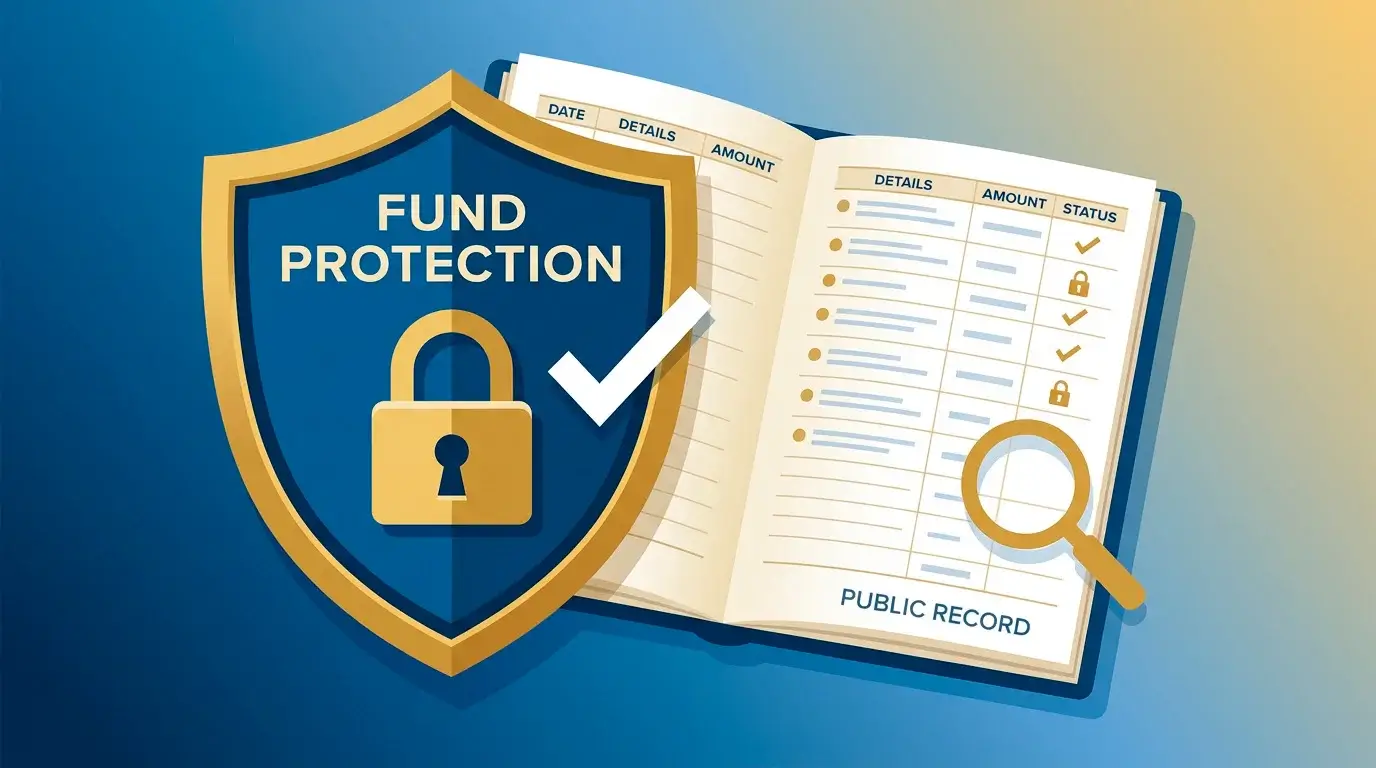
The Malta Gaming Authority is the most protective licence in the offshore set, and it shows in the obligations it imposes. MGA-licensed operators must segregate player funds from operating money, publish return-to-player figures, operate a formal complaints procedure, and appear on a public licence register you can search. The barrier to entry is high, which is itself a useful signal: it is hard to get and easy to lose.
For a UK player, an MGA licence is the closest offshore equivalent to a meaningful safety net, though it still is not UKGC protection and does not connect to GamStop. The reason MGA sites are less common in the pure non-GamStop space is partly that the compliance cost pushes some operators toward cheaper jurisdictions, and partly that many serious MGA operators also hold UK licences and therefore do appear on GamStop.
Gibraltar and the weaker outliers
A few other names come up, and they are worth placing on the map. Gibraltar runs a mature, respected regime, but it is rare to find a Gibraltar-licensed casino that is genuinely non-GamStop, because those licensees are usually also UK-licensed and therefore on the scheme. Then there is a tail of weaker options where protection thins out considerably.
| Jurisdiction | Protection level | Objective risk marker |
|---|---|---|
| Malta (MGA) | Strongest offshore | Still no UKGC oversight; not on GamStop |
| Curaçao (post-LOK) | Mid-tier, improving | Young enforcement; transitional licences in circulation |
| Gibraltar | Mature | Rarely genuinely non-GamStop; usually also UKGC |
| Anjouan | Weak | Short track record; unproven enforcement |
| Isle of Man, Alderney, Kahnawake | Variable | Limited reach for a UK player’s dispute |
| Panama, Costa Rica | Weakest | Costa Rica often a “paper” registration, not real gaming oversight |
The Costa Rica entry deserves a flag: it frequently amounts to a company registration rather than a gambling licence with any supervisory teeth, so a site “based in Costa Rica” may have no meaningful regulator at all.
How to verify a licence yourself
The single most useful habit is to stop trusting the badge in the footer and check the source. A licence logo is just an image; the real test is whether the operator appears in the regulator’s own public register with a matching licence number and trading name.
What a weak licence costs in practice: the scam red flags.
- Find the claimed licence number and licensing jurisdiction, usually in the site footer or terms.
- Go directly to that regulator’s official website, not a link from the casino, and open its public licence register.
- Search for the operator’s company name and the licence number. Confirm they match and that the licence is active.
- For a UK contrast, check the Gambling Commission register to confirm the site is not UK-licensed, which is what makes it non-GamStop in the first place. The point-of-consumption framework that requires UK licensing is set out at legislation.gov.uk.
If the number does not appear, or the trading name does not match, or there is no searchable register at all, treat that as a serious warning. A genuine licence is verifiable in seconds; a fake one relies on you never checking.
What to hold onto
Offshore licences are not interchangeable. Malta offers the most genuine protection, Curaçao sits in an improving middle after its LOK reform, Anjouan is cheap and unproven, and the long tail thins out to near-meaningless registrations. None of them matches UK protection or connects to GamStop. The practical move is always the same: verify the licence in the regulator’s own register, and pair that check with a clear-eyed read of the wider non-GamStop overview before you trust any site with your money.
This material was created by the Unlicensed Casino Zone team.
Related posts

Spotting Risks and Scam Red Flags at Non-GamStop Casinos

How GamStop Removal Works After Your Term and Where to Get Help