
Payment Methods at Non-GamStop Casinos: Crypto, Cards and E-Wallets
 Available in GB
If you have looked at any casino that operates outside GamStop, the cashier page probably looked unfamiliar. There is usually a row of cryptocurrency logos, sometimes credit cards, a couple of e-wallets, and a conspicuous absence of the one button most UK players expect. The payment mix at these sites is not random. It reflects which networks are willing to handle the transactions and which are not, and that tells you a lot about how these operators sit relative to the UK-regulated market.
The full picture is in our guide to casinos not on GamStop.
Why the payment menu looks so different to a UK-licensed site
A casino holding a UK Gambling Commission licence has to play by a long list of rules about how money moves. Those rules are why a UKGC cashier looks the way it does: debit cards front and centre, bank transfers, regulated e-wallets, and almost no crypto. Offshore casinos hold licences from places such as Curaçao, Anjouan or Malta and are not bound by UKGC payment conditions, so their cashier reflects a different set of constraints entirely.
The practical result is a menu built around channels that can move money without depending on a UK bank’s cooperation. That is the thread running through everything below. If you want the bigger picture of how these sites work, our non-GamStop main guide sets the whole workaround in context.
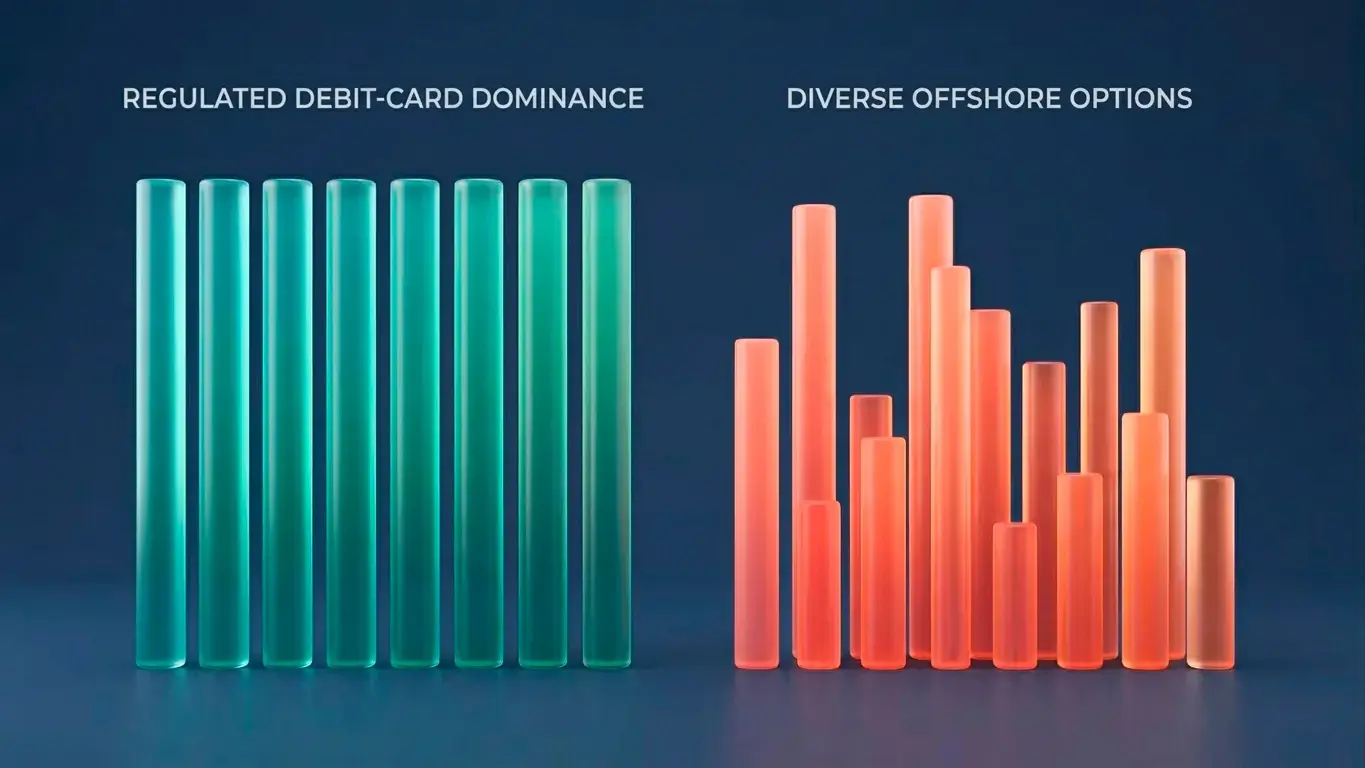
For reference, the regulated UK market leans heavily on debit cards. In one widely cited survey of UK online gamblers, roughly 62 per cent named debit cards as their preferred method, with bank transfers and e-wallets sitting around 21 per cent each, and crypto essentially absent from licensed sites. Offshore casinos invert that picture, and the inversion is the point.
Crypto is the signature channel, for a reason
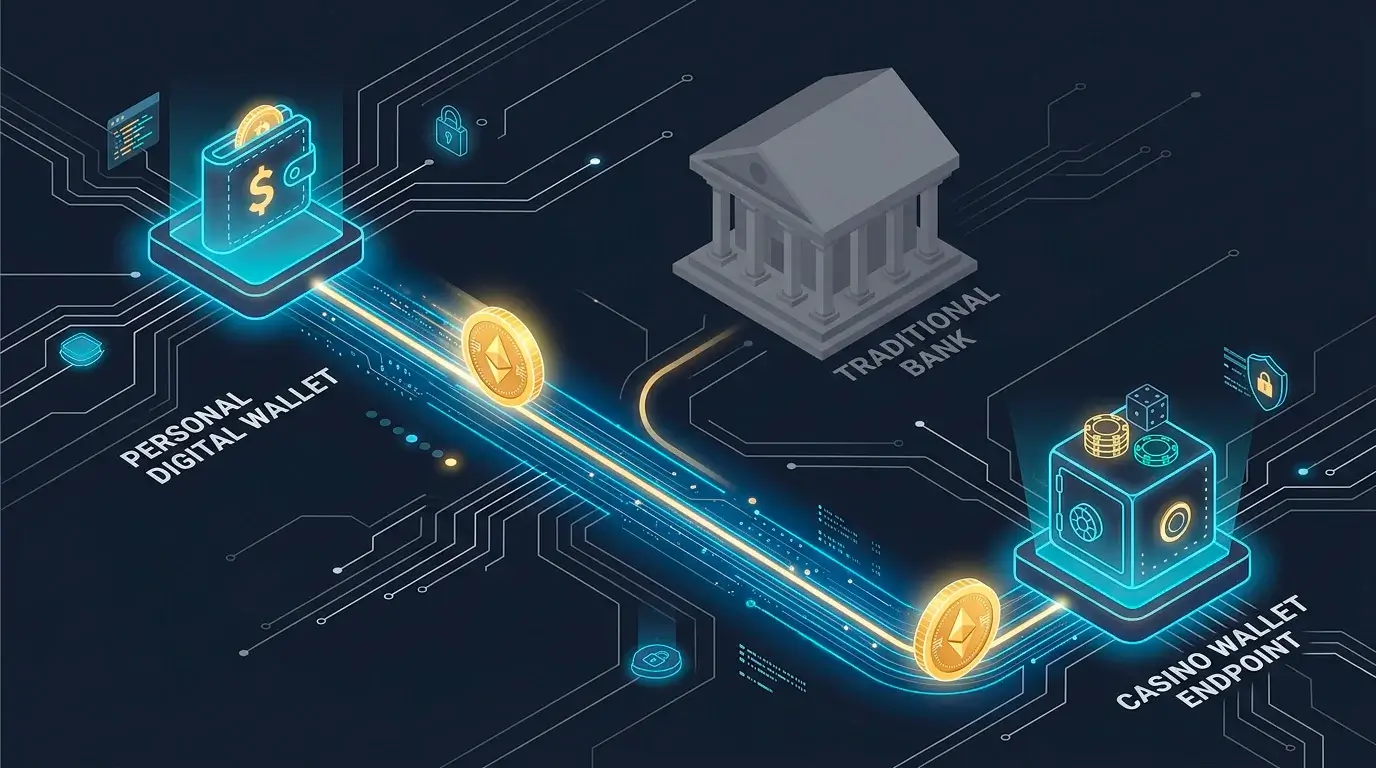
Cryptocurrency is the method most strongly associated with this segment. Bitcoin (BTC), Ethereum (ETH) and the dollar-pegged stablecoin Tether (USDT) are the common three, with a long tail of altcoins on bigger sites. Crypto appeals to these operators because it sidesteps the banking system almost entirely. A deposit moves from a player’s wallet to the casino’s wallet without a card network or a UK bank approving it along the way.
That independence cuts both ways. It is why crypto deposits rarely get declined the way card payments can, and it is also why crypto is treated as the workaround’s natural currency. There is no chargeback mechanism, no intermediary to freeze a suspicious transaction, and no consumer-protection layer of the kind a UK bank provides. If something goes wrong after the money has left your wallet, you are largely on your own.
There is also a tax wrinkle worth flagging. Gambling winnings themselves are not taxed in the UK, but holding crypto that then rises in value can pull you into capital gains territory as an ordinary asset. We unpack that distinction on the page covering tax on what you win.
One more practical point on crypto: the price moves. A deposit you make in Bitcoin can be worth meaningfully more or less by the time you try to withdraw, and a casino balance denominated in a volatile coin is exposed to that swing on top of the usual house edge. Some sites convert crypto deposits to a stable internal balance, others do not, and the difference is rarely spelled out clearly on the cashier page. Stablecoins such as USDT exist partly to dampen that volatility, which is why they feature so prominently in this segment, but they introduce their own counterparty questions about whether the peg actually holds.
Cards: accepted offshore, restricted at home
Visa and Mastercard debit cards are widely accepted at offshore casinos, and here the contrast with the UK market becomes sharp. In the UKGC sector, credit-card gambling has been banned since 14 April 2020 under a licence condition that stops operators from accepting credit-card payments for any form of gambling. The Gambling Commission introduced the ban after research suggested a high proportion of credit-card gamblers were experiencing harm.
You can read the regulator’s own account of that decision on the UK Gambling Commission site, and the government’s broader gambling-policy material sits on GOV.UK. The key takeaway is that an offshore casino accepting a UK credit card is not breaking a law you, the player, are bound by; it is simply outside the UKGC framework that imposes the restriction at home.
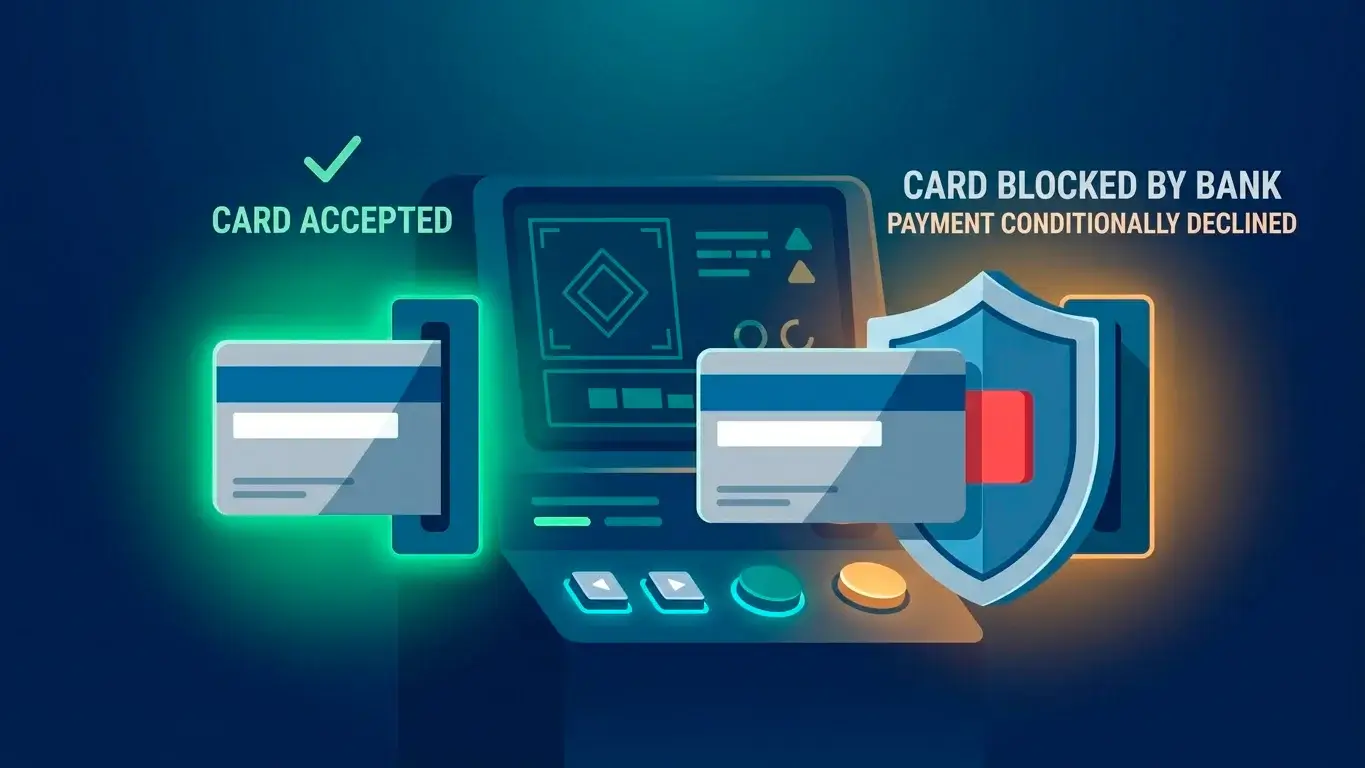
Whether a card payment actually succeeds is a separate question, and it depends heavily on the bank and on how the transaction is coded. Many UK banks decline gambling transactions by default, especially those flagged under the betting merchant category code. The mechanics of that, and what it means for getting money back out, are covered in detail on our page about why UK banks block payments.
- Debit cards offshore
- Commonly listed; success rate depends on the bank’s gambling policy and the merchant coding.
- Credit cards offshore
- Often accepted, unlike the UKGC sector where they have been prohibited since April 2020.
- Prepaid cards
- Sometimes available; useful for capping spend but not universally supported.
E-wallets and the recurring PayPal question
E-wallets such as Skrill and Neteller turn up regularly on offshore cashiers. They can offer faster payouts than cards, though they sometimes carry their own deposit or withdrawal fees, so it is worth reading the small print before assuming an e-wallet is the cheaper route.
The question that comes up more than any other is PayPal. The short answer is that PayPal is usually unavailable at non-GamStop casinos, and the reason is structural rather than accidental. PayPal will generally not process payments to unlicensed or offshore gambling merchants, so even when a site would happily list it, PayPal itself declines to be part of the chain. Most competitor pages skim over this; the mechanism is simply that the payment processor, not the casino, is the one saying no.
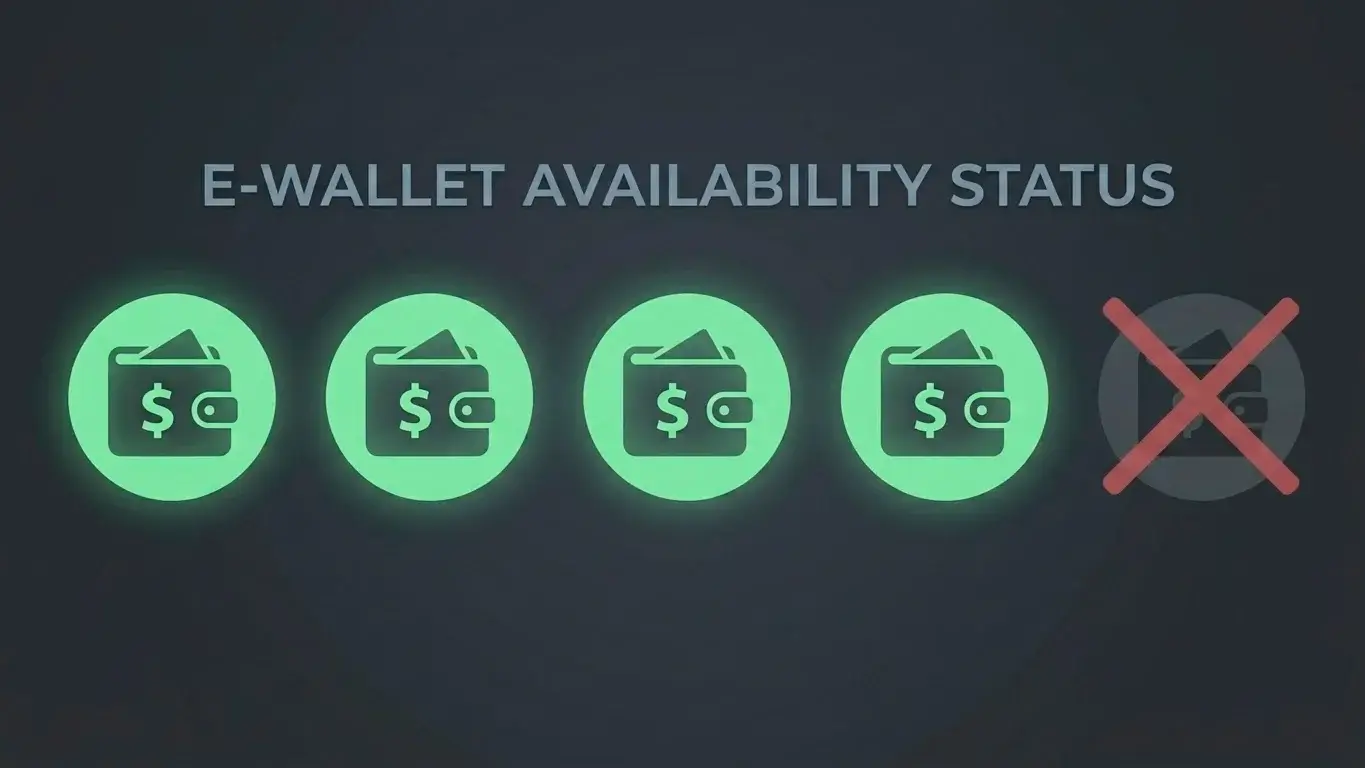
If a site does claim to accept PayPal, treat it as a prompt to look closer rather than a reassurance. Payment claims that do not match how the underlying networks actually behave are one of the softer warning signs worth weighing alongside the harder ones in our guide to withdrawal traps to watch.
Why more payment choice is a risk marker, not a perk
It is tempting to read a long cashier menu as a sign of generosity. The honest framing is the opposite. The extra options that offshore casinos offer over UK-licensed sites – credit cards and crypto in particular – exist precisely because they route around the limits that were put in place for consumer protection.
The UK credit-card ban was designed to stop people gambling with borrowed money. The reluctance of banks to process gambling transactions, and PayPal’s refusal to touch unlicensed merchants, are also protective measures. When a casino’s payment design quietly removes each of those guardrails, the flexibility is not doing you a favour; it is removing a brake.
It is also worth noting who carries the risk when these channels are used. On a UKGC site, a chain of regulated intermediaries shares responsibility for a transaction, and there are formal routes to complain if something goes wrong. Strip those intermediaries out, as crypto does, and the responsibility lands almost entirely on the player. The convenience and the exposure are the same thing viewed from two angles, and any page that sells you the convenience without naming the exposure is only telling half the story.
| Channel | UKGC-licensed sites | Offshore non-GamStop sites |
|---|---|---|
| Debit cards | Dominant, widely accepted | Listed, but bank may decline |
| Credit cards | Banned since 14 April 2020 | Often accepted |
| Crypto | Effectively absent | Signature channel |
| PayPal | Common | Generally unavailable |
| Consumer protection on payments | UKGC rules apply | None of the UK guardrails apply |

Practical notes before you trust any cashier
Bonuses, fees and supported coins change quickly in this segment, so anything you read about a specific site, including here, should be re-checked against the operator’s current cashier page. A method that was free last quarter may carry a fee now, and a coin that was listed may have been dropped.
Why some payments never arrive: UK bank gambling blocks.
Quick questions worth asking before depositing
Does the withdrawal method match the deposit method, and are there limits? Are there fees on the e-wallet route? Does the site demand identity checks only at withdrawal rather than at deposit? Each of these connects back to the wider safety picture, which is why payments and risk are best read together.
None of this is a recommendation to use these sites. It is an explanation of how their payments work so you can judge what you would actually be signing up to. If the payment flexibility is the appeal, it is worth being honest with yourself about why those particular channels are the ones on offer.
This material was created by the Unlicensed Casino Zone team.
Related posts
Spotting Risks and Scam Red Flags at Non-GamStop Casinos

Curaçao, Anjouan and Malta Licences Compared for UK Players