
Gamban, BetBlocker and Device-Level Tools That Cover Offshore Sites
 Available in GB
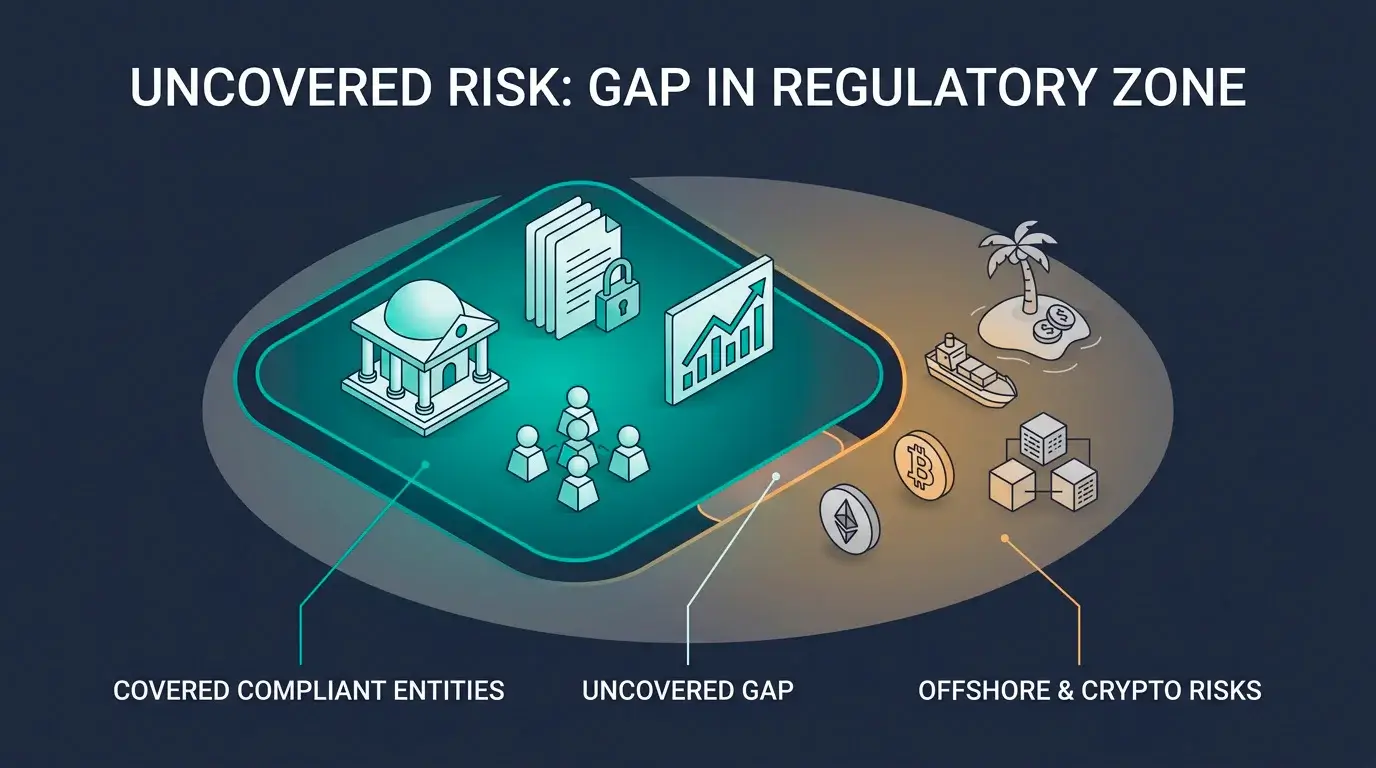
There is a gap in GamStop that the scheme is honest about and most promotional sites are not. GamStop only blocks gambling sites licensed by the UK Gambling Commission. It cannot reach the offshore and crypto casinos that sit outside that licensing, which means a person who has self-excluded can still find their way onto exactly the kind of site they were trying to avoid. Device-level blocking software is the tool built to close that gap, and this page is a straight look at what it does and does not do.
The full picture is in our guide to casinos not on GamStop.
Why device-level blocking exists at all
GamStop works by telling UKGC-licensed operators to refuse a registered person. That is powerful within its boundary and useless outside it. An offshore casino has no obligation to consult GamStop, so the self-exclusion simply does not apply there. If you want to understand that boundary properly, our page on how GamStop works sets it out, but the short version is that the scheme’s reach stops at the edge of UK licensing.
Device-level blockers take a different approach. Instead of asking operators to turn you away, they sit on your own phone or computer and block access to gambling sites from your side – including the offshore and crypto sites GamStop never sees. That is why they are the natural companion to a self-exclusion rather than a competitor to it.
The practical consequence is worth stating plainly. If you have a GamStop registration and nothing else, the offshore door is still open, and the research on who reaches for these sites suggests that open door matters most for the people least able to ignore it. Adding a device-level layer is one of the few ways to actually shut it, rather than relying on willpower to walk past a door that has not been locked.
Gamban: paid, broad and deliberately hard to undo
Gamban is a paid piece of software that blocks access to thousands of gambling domains across UKGC, offshore and crypto sites at device level. Because it works on your device rather than through the licensing system, it catches the sites that fall through GamStop’s net. It is installed across your devices and is designed to be difficult to remove on impulse.
One important detail: Gamban is removed separately from GamStop. They are different tools run by different organisations, so coming off one does not affect the other. That separation is useful – it means a Gamban block keeps working even after a GamStop term ends – but it also means you have to manage each on its own terms.

BetBlocker: free, non-profit and lighter to lift
BetBlocker is a free, non-profit alternative that blocks a large and growing list of gambling sites – well over 13,000 – again at device level and again reaching beyond UKGC-licensed operators. For someone who wants protection without a subscription, it removes the cost barrier entirely.
The trade-off is in the removal mechanics. BetBlocker can generally be lifted more easily, by email and without the harder cooling-off process that some tools build in. Whether that is a pro or a con depends on you: lighter removal is friendlier for someone using it as a flexible aid, but a harder-to-undo block is sometimes exactly what a person in a difficult moment needs. Neither answer is universally right.
Being a registered charity rather than a commercial product also shapes how BetBlocker behaves. There is no upsell, no premium tier and no incentive to keep you subscribed, which some people find more trustworthy when the whole point is to spend less, not more. The flip side of free software is that support and updates rely on a smaller organisation, so it pays to check the block list is current rather than assuming it covers every new offshore domain.

- Gamban
- Paid; broad device-level coverage of UKGC, offshore and crypto sites; deliberately hard to remove; separate from GamStop.
- BetBlocker
- Free and non-profit; blocks 13,000-plus sites at device level; easier removal by email without a hard cooling-off.
SENSE: a separate layer for venues
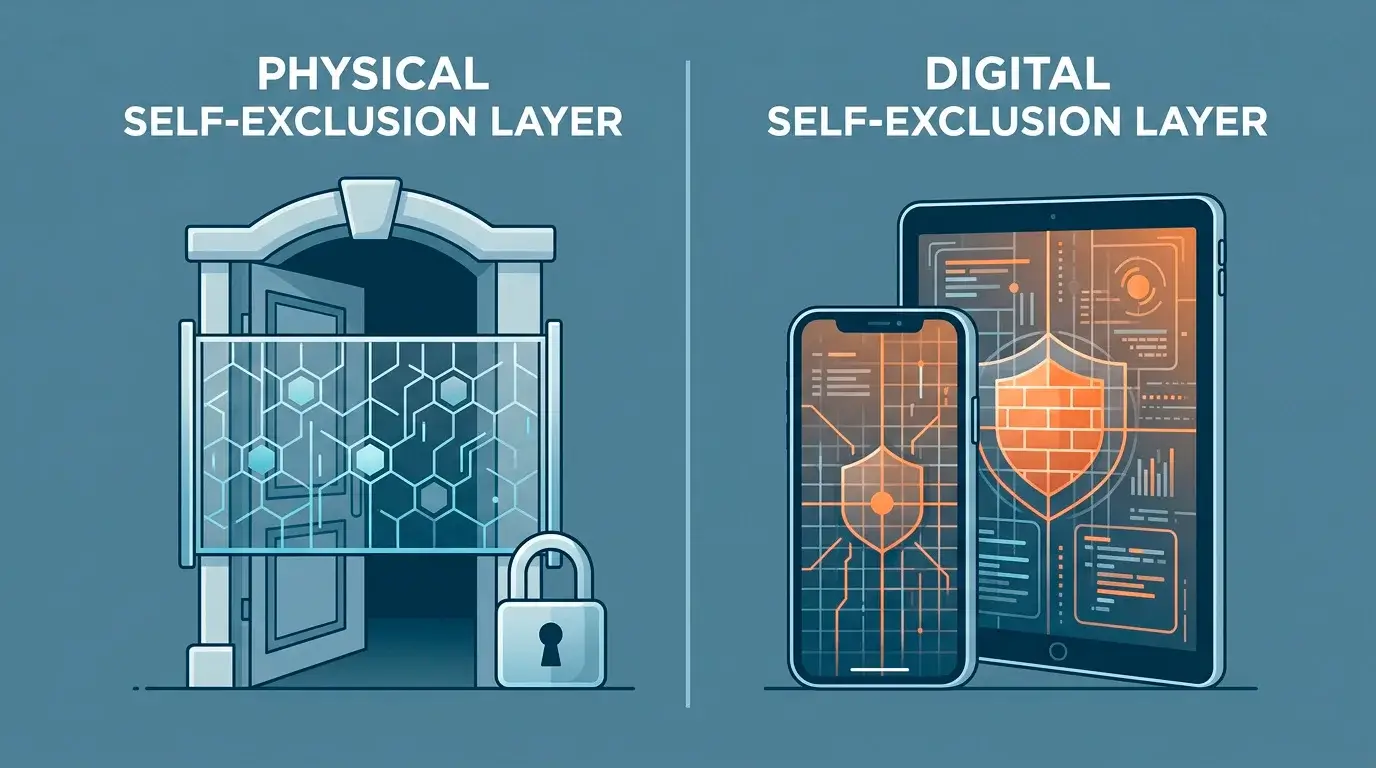
Worth a brief mention because it is often confused with the others: SENSE is a self-exclusion scheme for land-based venues, not a piece of device software. It covers physical premises rather than websites, so it sits alongside the digital tools rather than overlapping with them. If your concern is the offshore site you can reach from your sofa, the device-level options above are the relevant ones; SENSE is for the betting shop or casino down the road.
Being honest about the limits
No blocker is total, and pretending otherwise does nobody any favours. Software can be uninstalled, a different unblocked device can be picked up, and new sites appear faster than any block list updates. These tools raise the effort required to gamble; they do not make it impossible. That friction is genuinely valuable – it buys time for an urge to pass – but it is a brake, not a wall.
They also work best in combination. A device-level blocker paired with a bank gambling block and, where relevant, a self-exclusion closes far more of the gap than any single layer. And crucially, none of these tools replaces professional help. They are harm-reduction aids that support a decision to step back, which is why this page belongs next to the one on support and proper removal.

What these tools are actually for
The purpose of this cluster is harm reduction, not a clever route back to gambling. Device-level blockers exist to cover the part of the picture GamStop cannot, and they earn their place by being honest about both their reach and their limits. If you want the full context of how offshore play works and why these protections matter, the non-GamStop overview ties it together – but the most useful thing on this page may simply be the support details below.
If the exclusion itself is the question: GamStop removal.
This material was created by the Unlicensed Casino Zone team.
Related posts

Spotting Risks and Scam Red Flags at Non-GamStop Casinos

Curaçao, Anjouan and Malta Licences Compared for UK Players