Is Playing at a Casino Not on GamStop Legal in the UK?
 Available in GB
The single most common question people ask before going near a casino not on GamStop is whether they are breaking the law by doing so. The short answer is no, not as a player. UK gambling law points its enforcement at operators, not at the individual sitting at home placing a bet. That distinction matters, and it is the one that most pages in this corner of the internet get wrong.
The full picture is in our guide to casinos not on GamStop.
The player is not committing a crime
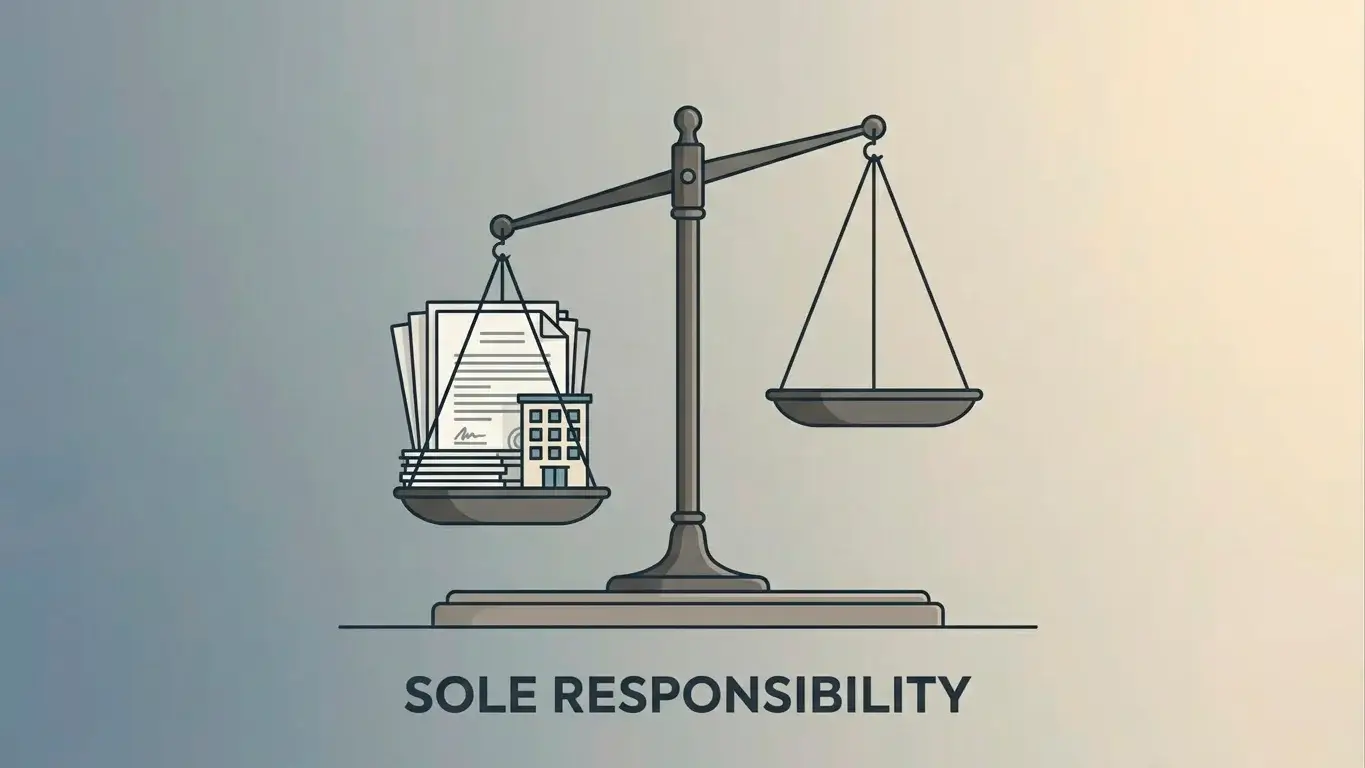
Let us deal with the headline straight away. If you are a UK adult and you deposit at an offshore casino that holds no UK Gambling Commission licence, you are not committing a criminal offence by doing so. There is no statute that makes the act of gambling at an unlicensed remote site a crime for the customer. The legal architecture in Great Britain is built around the businesses that supply gambling, not around the people who use it.
This is worth labouring because the opposite claim circulates widely. You will find forum posts and even a handful of commercial sites suggesting that a self-excluded person who finds an offshore casino is somehow breaking the law. That is a misreading. It conflates the operator-facing prohibition, which is real, with a player-facing one, which does not exist. If you want the bigger picture, our casinos not on GamStop explained guide sets out how the whole workaround fits together.
None of this means the situation is risk-free. “Not a crime” is a long way from “safe” or “protected”. The honest framing is that you step out of a regulated environment and into one where the rules that exist to look after you simply do not apply. We will come back to what that costs you.

How point-of-consumption law actually works
To understand who carries the liability, you need the point-of-consumption regime. Before 2014, an operator could serve British customers from an overseas base without a UK licence as long as it was licensed somewhere on an approved list. The Gambling (Licensing and Advertising) Act 2014 changed that. It received Royal Assent on 14 May 2014 and the substantive provisions came into force on 1 November 2014.
The principle is simple. From that date, any remote operator that provides facilities for gambling to consumers in Great Britain, or advertises to them, must hold a Gambling Commission licence regardless of where its servers or head office sit. The test is where the customer is, not where the company is. This is exactly why GamStop cannot reach offshore sites, a mechanism we unpack in detail in how the GamStop scheme works.
The 2014 Act sits on top of the framework created by the Gambling Act 2005, which established the Gambling Commission and set out the three licensing objectives: keeping gambling crime-free, ensuring it is conducted fairly and openly, and protecting children and vulnerable people. The point-of-consumption rules were bolted onto this structure by the 2014 Act’s explanatory notes, which spell out the commencement and the scope of the offence.
Where the offence actually lands
Under the point-of-consumption regime it is an offence to provide or advertise facilities for remote gambling to people in Great Britain without a Commission licence, where the provider knows or should know those facilities are likely to be used here. A person guilty of advertising unlicensed remote gambling is liable on summary conviction to imprisonment for up to six months, a fine, or both. Read carefully: the offence is committed by the supplier or advertiser, not by the customer who happens to place a bet.

Debunking the “the player commits a crime” myth
So where does the myth come from? Usually from a half-remembered version of the operator rule. People hear that “offering unlicensed gambling to British customers is illegal” and assume the illegality must attach to everyone in the transaction. It does not. The liability is structured deliberately so that enforcement targets the business that should have obtained a licence and chose not to.
There is a second source of confusion: self-exclusion. Someone who has signed up to GamStop and then plays offshore has not committed a crime, but they have walked around a protection they put in place for themselves. That is a behavioural and welfare problem, not a criminal one. If that describes your situation, the responsible route is set out in how GamStop removal works rather than chasing a site the scheme cannot see.
A useful way to test any claim you read: ask whether the source can point to the specific statute and section that criminalises the player. They cannot, because it does not exist. The relevant texts are the Gambling Act 2005 and the 2014 amendment, and both are operator-facing.
A grey zone of lost protection, not criminalisation
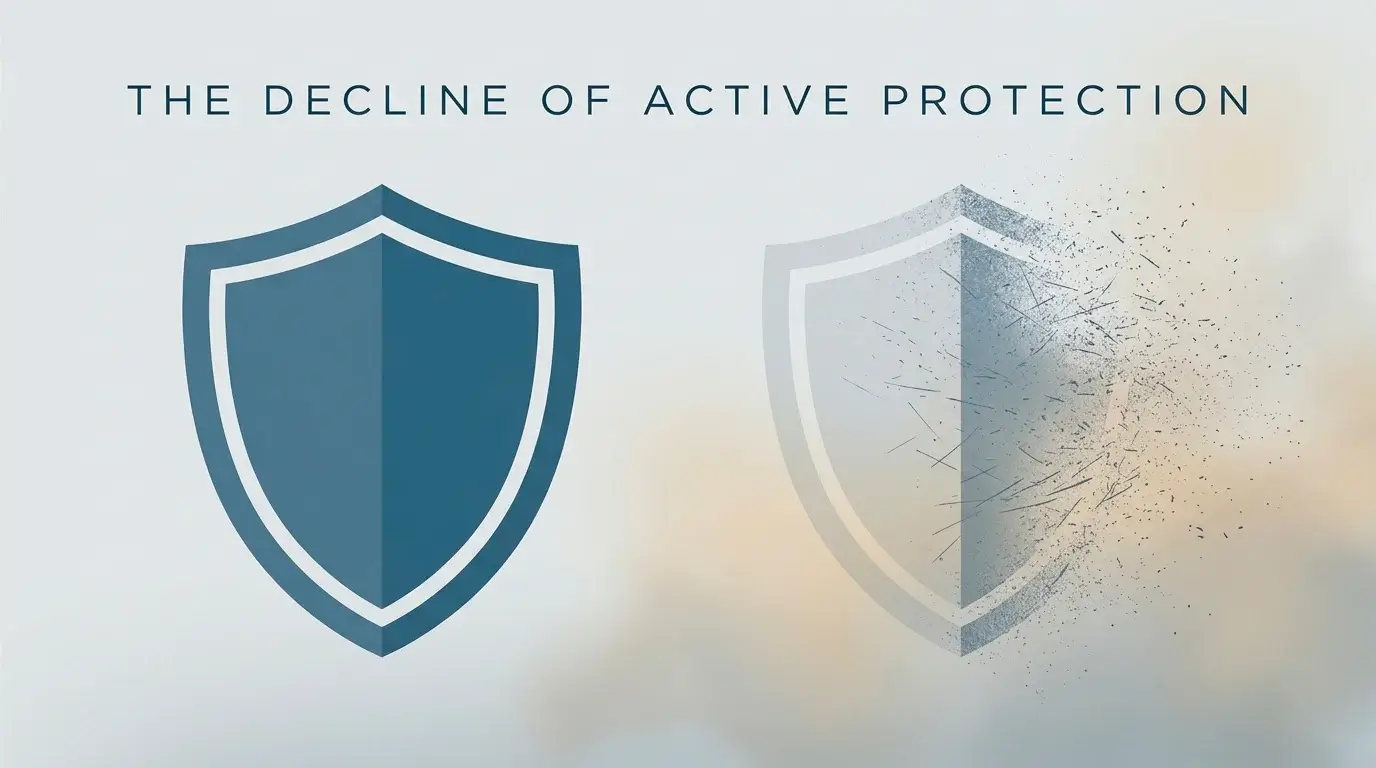
The most accurate way to describe the player’s position is that it is legal but unprotected. You are not at risk of prosecution, but you have stepped outside the safety net the regulated market provides. Here is what that net normally includes, and what you forfeit offshore.
- Gambling Commission oversight
- UKGC-licensed operators are supervised, audited and can be sanctioned. Offshore sites answer only to whichever foreign regulator issued their licence, and the strength of that supervision varies enormously, as we set out in the offshore licences involved.
- Independent dispute resolution
- In the regulated market you can escalate a complaint to an approved alternative dispute resolution body and, in betting matters, to IBAS. Offshore, your only route is whatever the licensing jurisdiction offers, which is usually slower and far less player-friendly.
- Mandatory player-protection tools
- The recent tightening of UK rules, the online slots stake limits of GBP 5 per spin for over-25s and GBP 2 for 18 to 24-year-olds, the affordability checks, and the Remote Gaming Duty rising from 21% to 40% from 1 April 2026, all apply only to UKGC operators. None of it reaches an offshore casino. That regulatory gap is precisely what the workaround exploits.
So the freedom is real, but so is the trade-off. You gain access to sites the UK system is trying to keep self-excluded and vulnerable players away from, and you lose the very protections that system was built to provide.
What about tax and getting your money
Two practical questions tend to follow the legality one. The first is tax. Gambling winnings are tax-free for UK players whether the casino is licensed here or offshore, because the UK taxes operators rather than customers. We cover the detail, and the important caveat that tax-free does not mean protected, in the tax-free winnings rule.
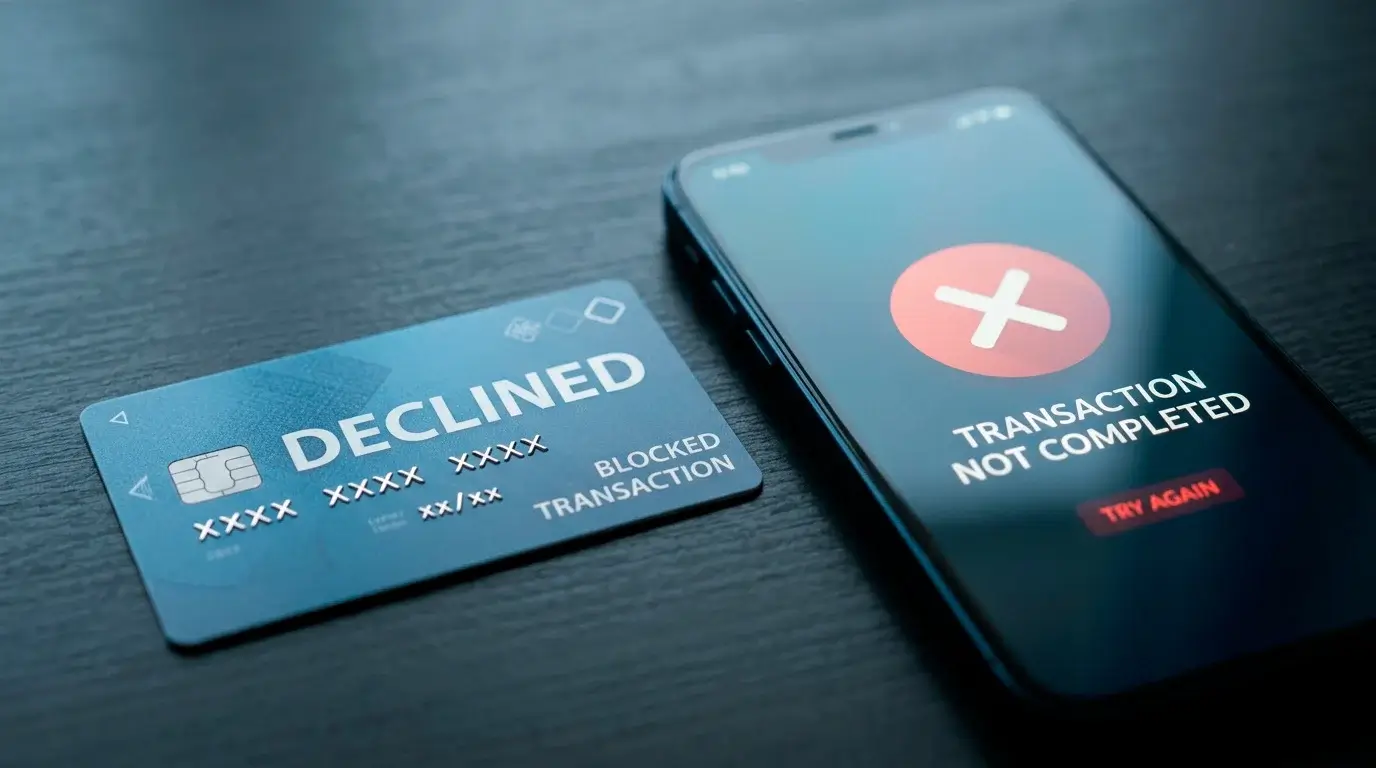
The second is whether you can actually withdraw. This is where the real risk sits. UK banks may decline transactions to offshore gambling merchants, and an offshore casino can flip from a relaxed deposit experience to aggressive identity checks the moment you try to cash out. Legality is rarely the thing that costs people money here; the payment friction is.
Where this leaves you
If you take one thing from this page, make it this: playing at a casino not on GamStop is not a criminal act for you as a UK player, but the law that makes it legal is also the law that strips away your protection the moment you leave the regulated market. The decision is not “is this allowed” but “am I comfortable trading the safety net for access”. Those are very different questions, and only the second one is really about you.
What the scheme itself covers: how GamStop works.
If you reached this page while looking for a way around a self-exclusion you set up, please treat that as a signal worth listening to rather than a problem to route around.

This material was created by the Unlicensed Casino Zone team.
Related posts
Spotting Risks and Scam Red Flags at Non-GamStop Casinos

Curaçao, Anjouan and Malta Licences Compared for UK Players